Imagine stepping into your garden and finding a perfect blend of shade, style, and serenity—this is the magic of a well-designed pergola. Whether you’re a beginner dreaming of your first outdoor project or an experienced homeowner looking to revitalize your space, a pergola offers a versatile and enchanting addition to any garden. It serves not only as a functional structure providing respite from the sun but also as an elegant extension of your living area, inviting you and your loved ones to savor the outdoors year-round.
In this article, we’ll explore a variety of pergola design inspirations, from classic wooden frames draped in vibrant blooms to sleek, modern structures that emphasize simplicity and elegance. You’ll discover practical tips for selecting the right materials, maximizing your space, and integrating your pergola seamlessly with your existing garden landscape. Let’s embark on this journey together, transforming your outdoor space into a personal oasis filled with charm and character.
Choosing the Perfect Pergola Style
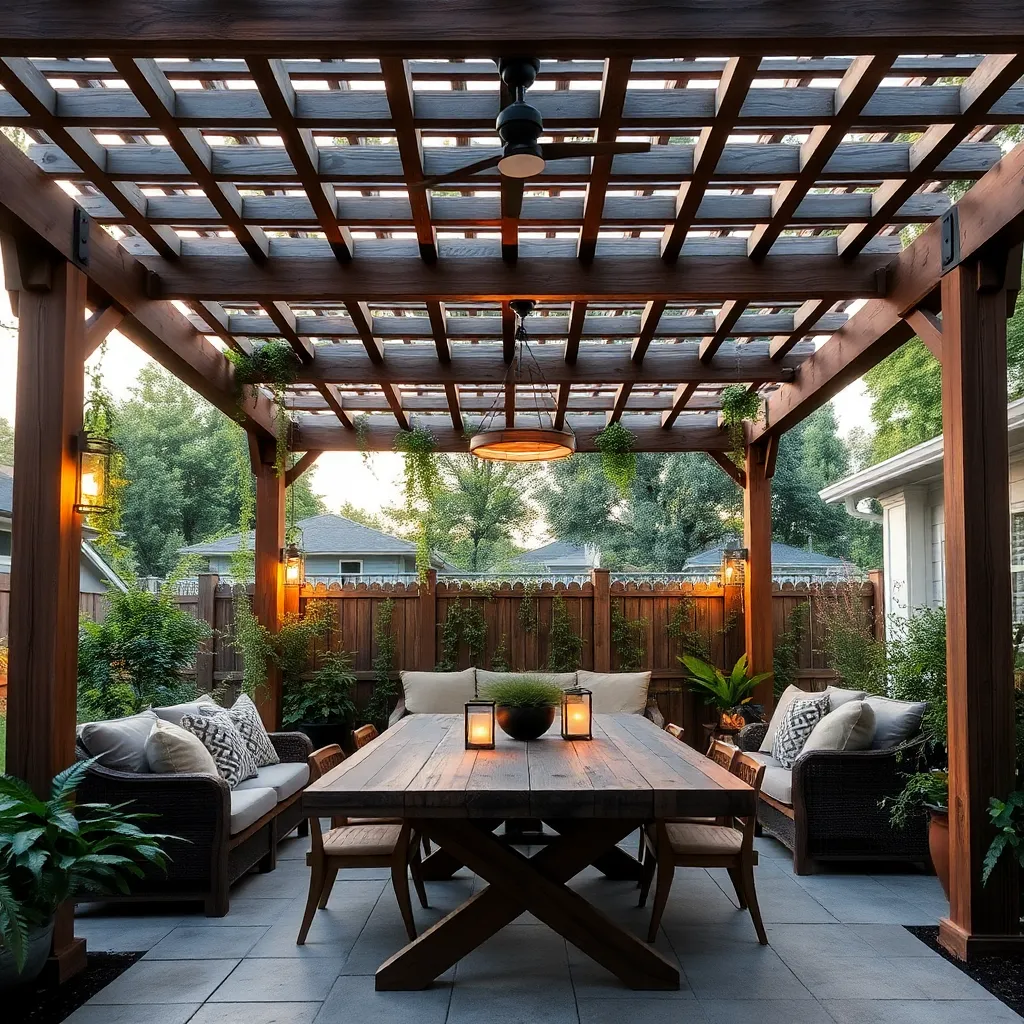
When selecting the perfect pergola style for your garden, consider both aesthetics and functionality. A classic choice is a wooden pergola, typically crafted from durable woods like cedar or redwood, which naturally resist decay and insects. For beginners, a simple square or rectangular design with evenly spaced beams offers a straightforward construction process. Ensure your pergola complements existing garden elements by choosing a finish that matches your fence or outdoor furniture.
For those seeking a more advanced project, explore modern materials like aluminum or vinyl, which offer low-maintenance alternatives to wood. Incorporating design elements such as retractable canopies or climbing plants can enhance the pergola’s usability throughout the seasons. To give your pergola a refined touch, consider adding decorative post caps or integrated lighting for evening ambiance. Always check local building codes for size and height restrictions to ensure your pergola is both beautiful and compliant.
Incorporating Natural Elements and Materials
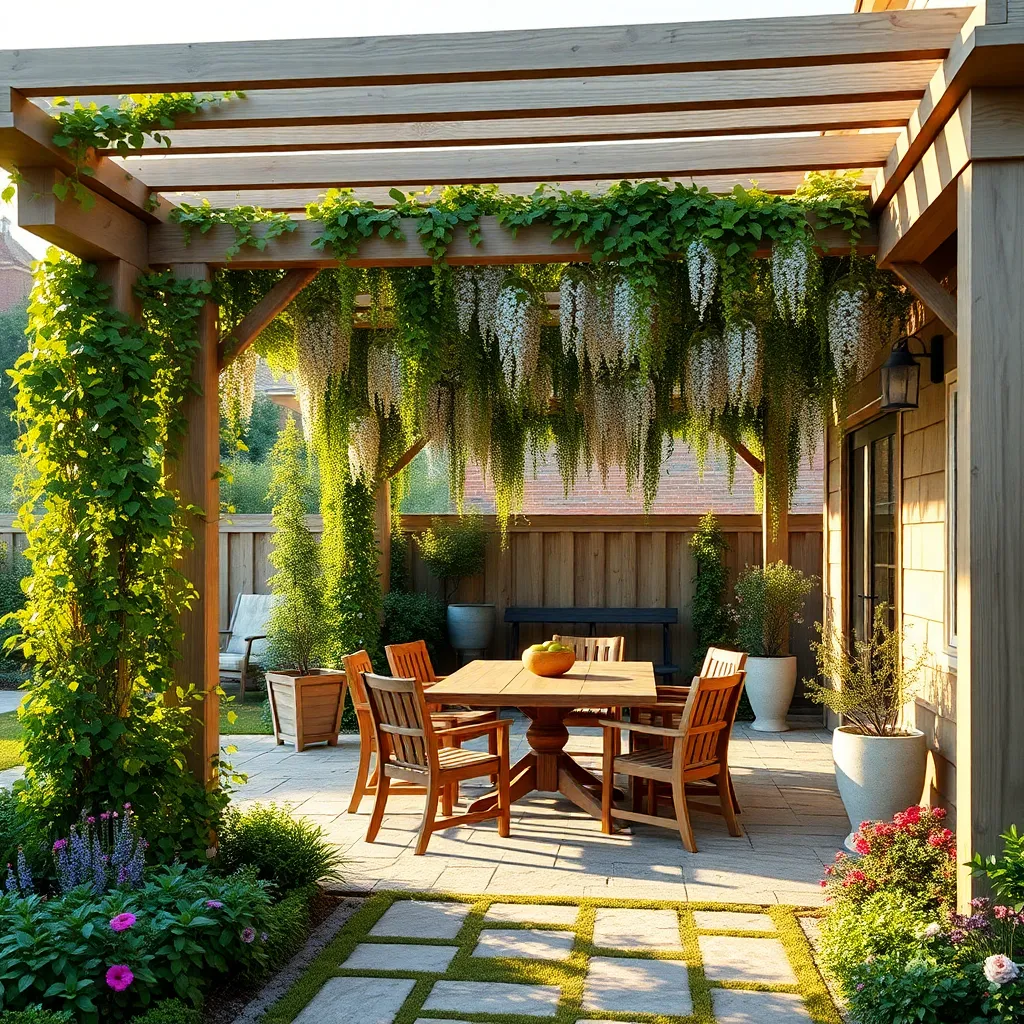
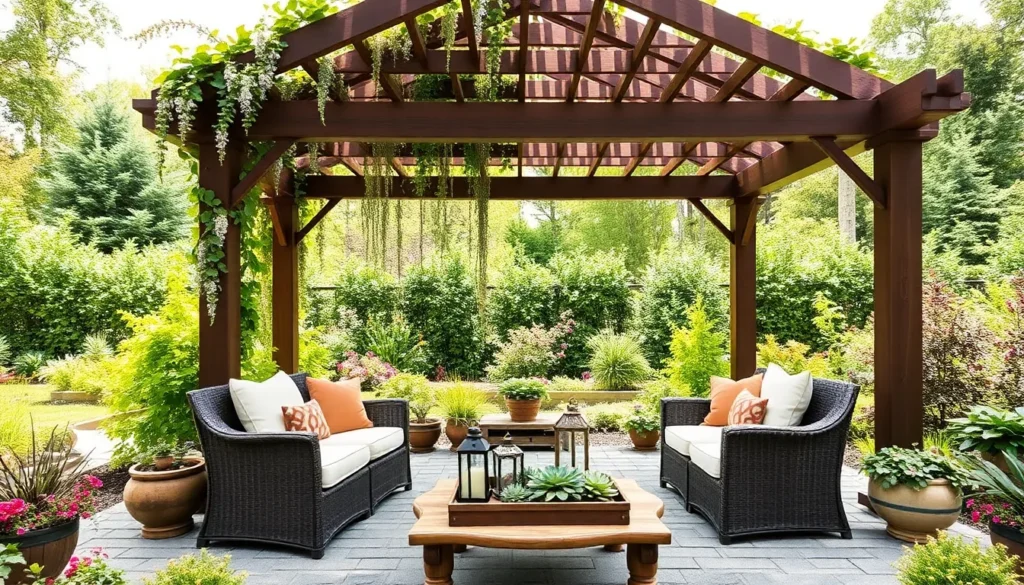
To seamlessly blend your pergola with the natural surroundings, consider using materials like cedar or reclaimed wood, which offer both durability and a rustic charm. **Cedar** is rot-resistant and perfect for those looking for a low-maintenance option, while **reclaimed wood** gives an eco-friendly touch with unique character. Beginners can start with a simple structure using prefabricated kits, while more experienced DIYers might incorporate elements like **live edges** or **natural stone bases** for added sophistication and stability.
Incorporating natural elements such as climbing plants can transform your pergola into a lush, green haven. **Wisteria** or **honeysuckle** are excellent choices for beginners due to their rapid growth and resilience. For a more advanced touch, consider installing a **rain chain** that not only adds a delightful auditory element but also channels water into a decorative basin, creating a serene water feature. Ensure your pergola is anchored securely, especially if adding weight with plants or water features, by using concrete footings at least **24 inches deep** for stability in various weather conditions.
Enhancing Pergola with Lighting Ideas
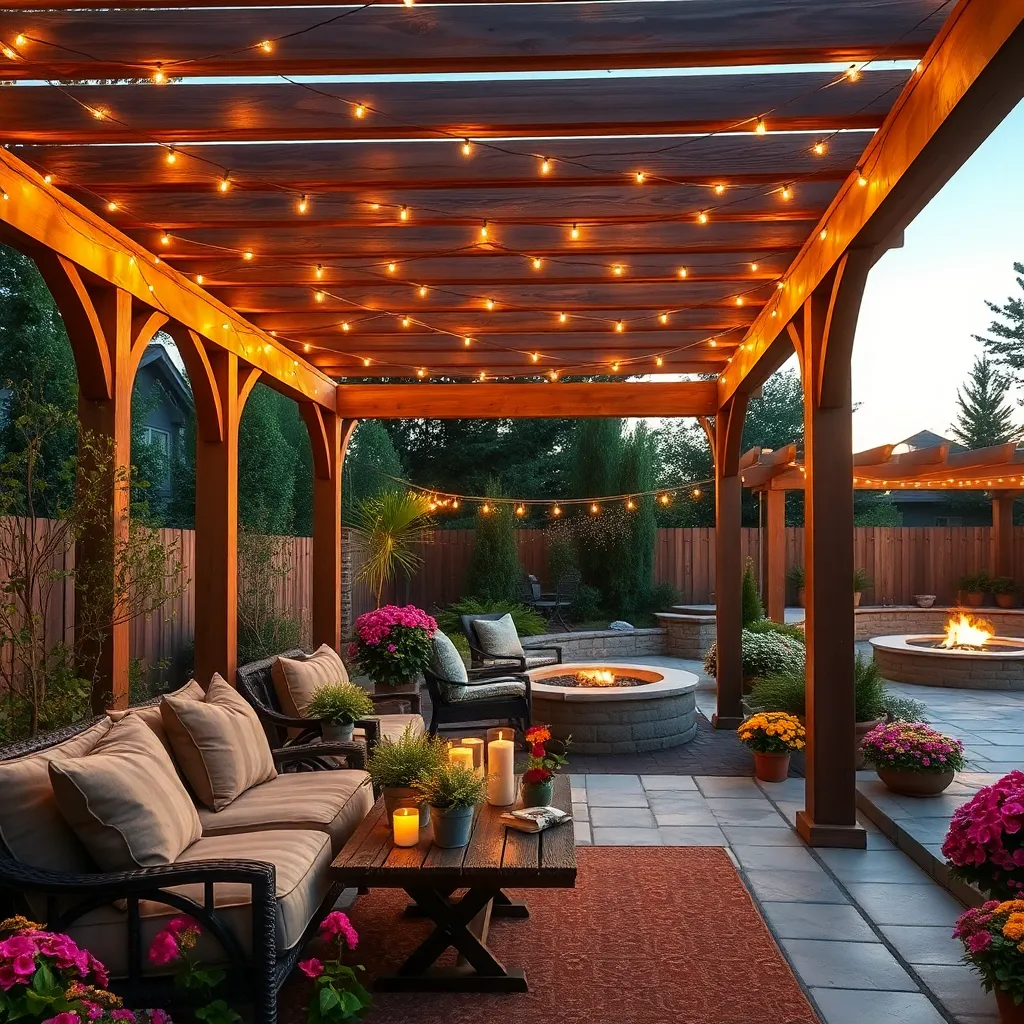
Transforming your pergola with lighting can create a magical evening retreat in your garden. Start with basic string lights, which are both affordable and easy to install. You can weave them through the beams or drape them along the edges for a soft, inviting glow. For a more advanced touch, consider installing solar-powered lanterns or LED strips that highlight architectural features. These options not only enhance ambiance but are also energy-efficient, reducing your carbon footprint.
To achieve a balanced lighting effect, mix different light sources for both functional and decorative purposes. Hang pendant lights for a focused, downward glow ideal for dining areas, while placing small solar stake lights around the perimeter can define the space beautifully. Choose weather-resistant materials like galvanized steel or copper for fixtures to ensure longevity, and consider dimmable options to adjust the mood as needed. With these practical lighting ideas, your pergola can be the star of your outdoor living area both day and night.
Maximizing Space with Smart Layouts
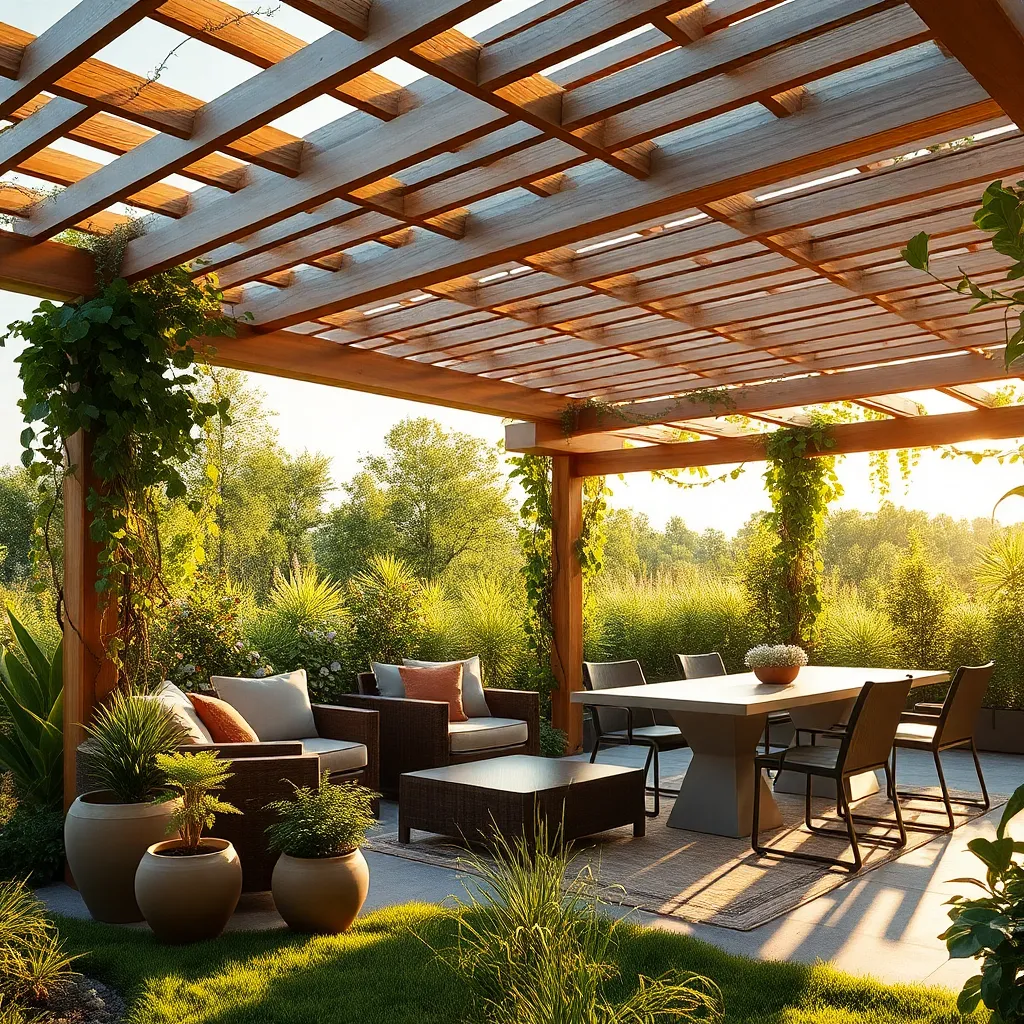
Consider the strategic placement of your pergola to maximize space efficiency in your garden. Positioning it in a corner can create a cozy retreat without dominating the entire area. Integrate built-in seating to save space and provide comfort, using durable materials like cedar or teak for longevity. Opt for vertical gardening by incorporating trellises or hanging planters on the pergola’s structure to add greenery without encroaching on floor space.
Experiment with multi-functional elements to further enhance your outdoor area. A well-designed pergola can double as a dining area or a serene reading nook. Ensure the structure is proportionate to your garden size; a standard size of 12×12 feet is versatile for most backyards. For an advanced touch, consider adjustable louvers for the roof to control sunlight and weather exposure, allowing you to enjoy the space year-round. Embrace creativity with modular furniture that can be rearranged to suit different occasions, offering flexibility and style.
Adding Personal Touches and Accessories
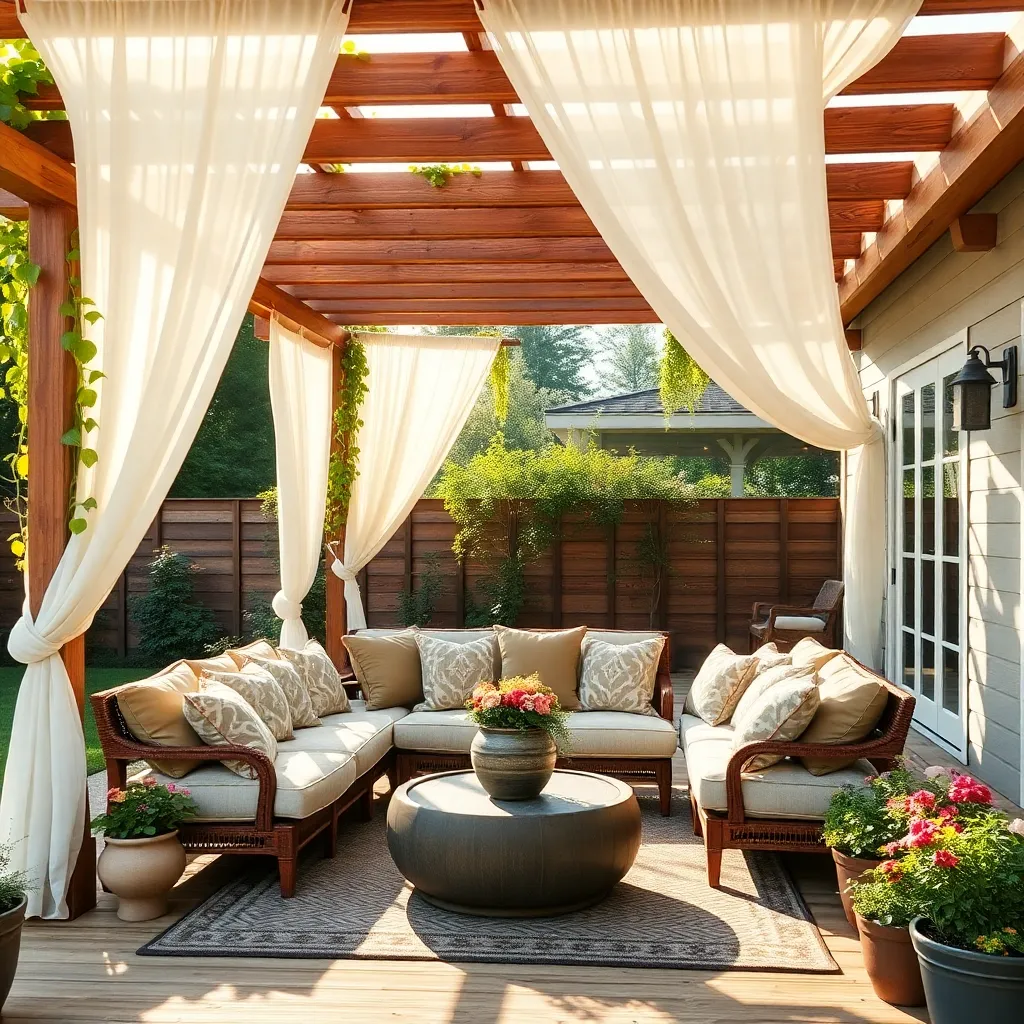
To personalize your pergola, consider integrating custom lighting solutions that enhance both functionality and ambiance. String lights or solar-powered lanterns can add a warm glow, making evening gatherings more inviting. For a touch of elegance, add a chandelier or pendant lights made from weather-resistant materials like wrought iron or stainless steel. These fixtures not only provide illumination but also serve as stylish focal points.
Incorporating decorative elements can further personalize your pergola, making it a true reflection of your style. Start with outdoor fabrics for cushions and curtains that can withstand the elements; look for options labeled as fade-resistant and water-repellent. Hanging planters or climbing vines like clematis or wisteria can add lush greenery and a natural touch. For an advanced touch, consider adding built-in seating or a retractable canopy for added comfort and versatility.
Conclusion: Creating Beautiful Outdoor Spaces
As we conclude our exploration of ‘Pergola Design Inspirations for Your Garden,’ let’s revisit the five key concepts that can enhance not only your outdoor space but also your relationships. First, designing a personal sanctuary fosters intimate connections. Second, incorporating shared interests into your pergola design strengthens bonds. Third, creating inviting spaces encourages open communication. Fourth, using natural elements promotes relaxation and mindfulness in relationships. Lastly, lighting and ambiance play a crucial role in setting the mood for meaningful interactions.
To put these insights into action, consider a simple step: plan a shared evening under your pergola where you and your partner can unwind and connect. Use this time to discuss your dreams and strengthen your bond.
Remember, the journey to a flourishing relationship is ongoing. Bookmark or save this article as your go-to guide for future inspiration and motivation. By doing so, you’ll have a valuable resource at your fingertips to continually enrich your relationships.
Looking ahead, envision a future where your relationships thrive, grounded in the thoughtful spaces you create and the memories you build together. Take these insights to heart, and watch your connections blossom.